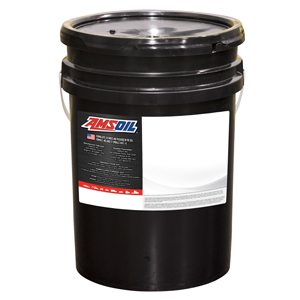
| Product Code | Package Size | Unit of Measure |
|---|---|---|
| ANGV05-EA | 5 Gallon Pail | Each |
| ANGV55-EA | 55 Gallon Drum | Each |
| ANGV27-EA | 275 Gallon Tote | Each |
AMSOIL 100% Synthetic Vehicular Natural Gas Engine Oil is a purpose-built SAE 15W-40 low-ash lubricant designed to protect CNG, LNG, and LPG-fueled engines in transit buses, refuse haulers, school buses, medium and heavy-duty trucks, and delivery vehicles. It delivers the specific combination of wear protection, deposit control, and acid neutralization that natural gas engines demand.
Natural gas engines present a unique set of lubrication challenges. They run hotter than their diesel counterparts, produce different combustion byproducts, and place extreme stress on valvetrains. Standard diesel oils are not formulated to address these conditions. Low-ash requirements add another layer of complexity, because reducing ash content typically weakens an oil's ability to fight valve recession and neutralize acids. The lubricant has to strike a precise balance, and most conventional natural gas engine oils fall short in one area or another.
PROTECTS AGAINST VALVETRAIN WEAR IN CNG AND LNG ENGINES
Natural gas engines equipped with either roller or slider followers are subject to high contact pressures that accelerate valvetrain component wear. AMSOIL Synthetic Vehicular Natural Gas Engine Oil is formulated with high levels of zinc and phosphorus anti-wear additives on a synthetic base oil platform. This combination provides enhanced metal-to-metal protection in the valve train, particularly in applications requiring the Cummins CES 20074 specification. The Four-Ball Wear Test (ASTM D4172) result of 0.44 mm scar diameter confirms the oil's ability to minimize surface contact damage under load.
FIGHTS VALVE RECESSION AND MINIMIZES COMBUSTION CHAMBER DEPOSITS
Valve recession is one of the most persistent problems in natural gas engine maintenance. Low-ash oils are required to protect emissions equipment, but reduced ash levels often mean less cushioning at the valve seat interface. AMSOIL addresses this with a balanced formulation that keeps sulfated ash content at just 0.58 wt%, low enough to minimize valve stem and combustion chamber deposit formation while still providing the physical protection needed to reduce valve recession. This is the tradeoff most fleet managers struggle with, and AMSOIL's formula handles both sides of it.
MAINTAINS A HIGH TBN FOR ACID NEUTRALIZATION
Natural gas combustion produces acidic byproducts that degrade oil and corrode internal engine surfaces over time. AMSOIL Synthetic Vehicular Natural Gas Engine Oil carries a Total Base Number (TBN) of 5.84, giving it substantial acid-neutralizing capacity despite the low-ash formulation. The Total Acid Number (TAN) starts at just 1.05, which means there is a wide margin between TBN and TAN at the point of fill. That margin is what allows the oil to neutralize acids over extended service intervals without losing its protective reserve.
RESISTS VISCOSITY BREAKDOWN UNDER HIGH HEAT AND HEAVY LOADS
CNG-fueled transit buses and refuse trucks operate under constant stop-and-go conditions that generate sustained high temperatures. Viscosity loss under these conditions means reduced film strength and accelerated wear. AMSOIL's shear-stable synthetic formula loses only 6.7% in the NOACK volatility test (ASTM D5800), demonstrating strong resistance to evaporative loss. The viscosity index of 155 reflects excellent viscosity retention across a broad temperature range, from cold starts at -20°C (where cranking simulator viscosity measures 4730 cP per ASTM D5293) through sustained high-temperature operation at 100°C (14.5 cSt per ASTM D445). Lower oil consumption translates directly to less frequent top-offs and reduced emissions equipment fouling.
CAPABLE OF EXTENDED DRAIN INTERVALS WITH OIL ANALYSIS
AMSOIL Synthetic Vehicular Natural Gas Engine Oil is engineered as a long-life lubricant. Drain intervals can be extended beyond OEM recommendations when carefully monitored through a regular oil analysis program. When extending drain intervals, oil filters should still be changed at the engine manufacturer's recommended interval. For fleet operations running CNG-powered Cummins engines in transit or refuse applications, this approach can reduce both maintenance downtime and lubricant costs per mile.
Specifications and Compatibility
This oil is formulated for applications requiring the Cummins CES 20074 specification. It is recommended for all mobile equipment fueled by compressed natural gas (CNG), liquefied natural gas (LNG), or liquefied petroleum gas (LPG). It is compatible with conventional petroleum oils and other synthetic lubricants, though mixing with other oils will reduce the performance and service life benefits. Aftermarket engine oil additives are not recommended.
Service Life
Extended drain intervals are supported when monitored by oil analysis. Follow the engine manufacturer's recommended filter change interval even when extending the oil drain. Consult oil analysis results to determine the appropriate drain interval for your specific operating conditions and duty cycle.
| Property | Value | Test Method |
|---|---|---|
| Viscosity @ 100°C, cSt | 14.5 | ASTM D445 |
| Viscosity @ 40°C, cSt | 97.4 | ASTM D445 |
| Viscosity Index | 155 | — |
| Cold Crank Simulator, cP (°C) | 4730 (-20) | ASTM D5293 |
| Flash Point, °C (°F) (COC) | 238 (460) | ASTM D92 |
| Fire Point, °C (°F) (COC) | 258 (496) | ASTM D92 |
| Pour Point, °C (°F) | -39 (-38) | ASTM D97 |
| NOACK (% wt loss) | 6.7 | ASTM D5800 |
| Four-Ball Wear Test | 0.44 | ASTM D4172 |
| Total Base Number (TBN) | 5.84 | — |
| Total Acid Number (TAN) | 1.05 | — |
| HTHS, cP | 4.2 | ASTM D5481 |
| Sulfated Ash Content, wt % | 0.58 | — |
What vehicles and equipment use AMSOIL 100% Synthetic Vehicular Natural Gas Engine Oil?
AMSOIL Synthetic Vehicular Natural Gas Engine Oil is recommended for mobile applications fueled by compressed natural gas (CNG), liquefied natural gas (LNG), or liquefied petroleum gas (LPG). Specific applications include transit buses, medium/heavy-duty trucks, refuse haulers, school buses, and delivery trucks. It is formulated for engines requiring the Cummins CES 20074 specification and delivers superior performance as a 15W-40 low-ash lubricant.
How does AMSOIL Synthetic Vehicular Natural Gas Engine Oil protect against valvetrain wear and valve recession?
AMSOIL Synthetic Vehicular Natural Gas Engine Oil uses a synthetic base oil combined with an advanced anti-wear additive system featuring high levels of zinc and phosphorus to provide enhanced valvetrain protection for both roller and slider follower configurations. Its low-ash formulation minimizes valve stem and combustion chamber deposit formation while being specifically designed to reduce valve recession, a common problem with low-ash oils. The balanced formula maintains a high total base number (TBN) to neutralize acids and protect against corrosion while still meeting low-ash requirements.
What specifications does AMSOIL 15W-40 Synthetic Natural Gas Engine Oil meet?
AMSOIL Synthetic Vehicular Natural Gas Engine Oil is formulated to meet the Cummins CES 20074 specification, which governs lubricant requirements for natural gas engines used in vehicular and mobile equipment applications. It is a 15W-40 viscosity grade, low-ash lubricant designed specifically for the unique demands of natural gas fueled engines, including high zinc and phosphorus content for outstanding wear protection in CES 20074 applications.
How does AMSOIL Synthetic Vehicular Natural Gas Engine Oil compare to conventional petroleum oils for CNG and LNG engines?
AMSOIL Synthetic Vehicular Natural Gas Engine Oil offers several advantages over conventional petroleum oils in natural gas engine applications. Its shear-stable synthetic formula provides maximum protection against viscosity loss across a broad temperature range, while its inherently low volatility reduces oil consumption and emissions. Unlike conventional oils, it has demonstrated extended drain interval capabilities when monitored through an oil analysis program, potentially reducing maintenance costs for fleet operations running CNG, LNG, or LPG fueled vehicles.
How long can I go between oil changes with AMSOIL Synthetic Natural Gas Engine Oil in my CNG truck or bus?
AMSOIL Synthetic Vehicular Natural Gas Engine Oil is a long-life oil that has demonstrated extended drain interval capabilities. However, extended drains must be carefully monitored through an oil analysis program to determine safe intervals for your specific application and operating conditions. When extending oil drain intervals, AMSOIL recommends changing the oil filter at the engine manufacturer's recommended interval to maintain proper filtration.
Is AMSOIL 15W-40 Synthetic Natural Gas Engine Oil compatible with conventional motor oils and safe for emissions equipment?
Yes, AMSOIL Synthetic Vehicular Natural Gas Engine Oil is compatible with conventional petroleum oils and other synthetic lubricants. However, mixing it with petroleum oil will not allow for the maximum protection and performance of the product, and engine oil additives or aftermarket products are not recommended. Its low-ash, low-volatility formulation helps reduce emissions and maintain the serviceability of emissions equipment, making it safe for use in natural gas vehicles equipped with emissions control systems.
 Product Details PDF - AMSOIL 100% SYNTHETIC VEHICULAR NATURAL GAS ENGINE OIL